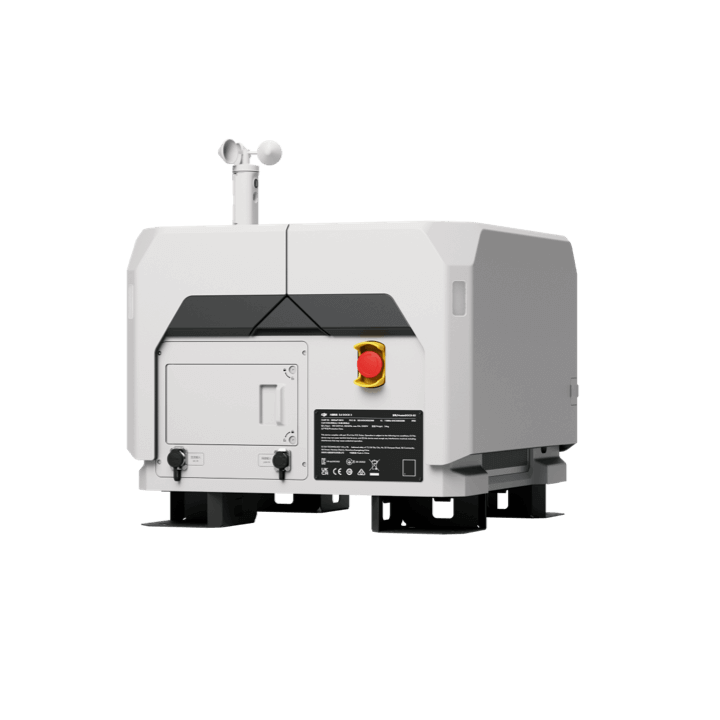
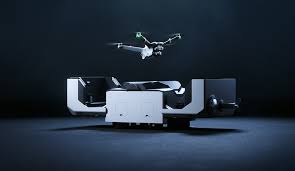
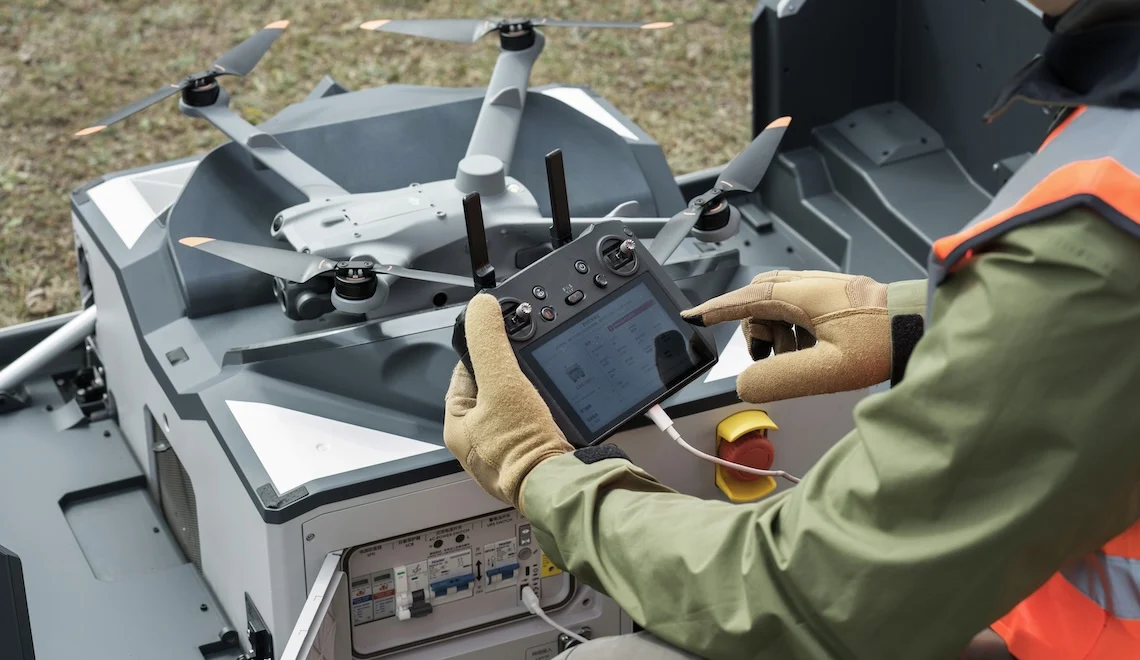
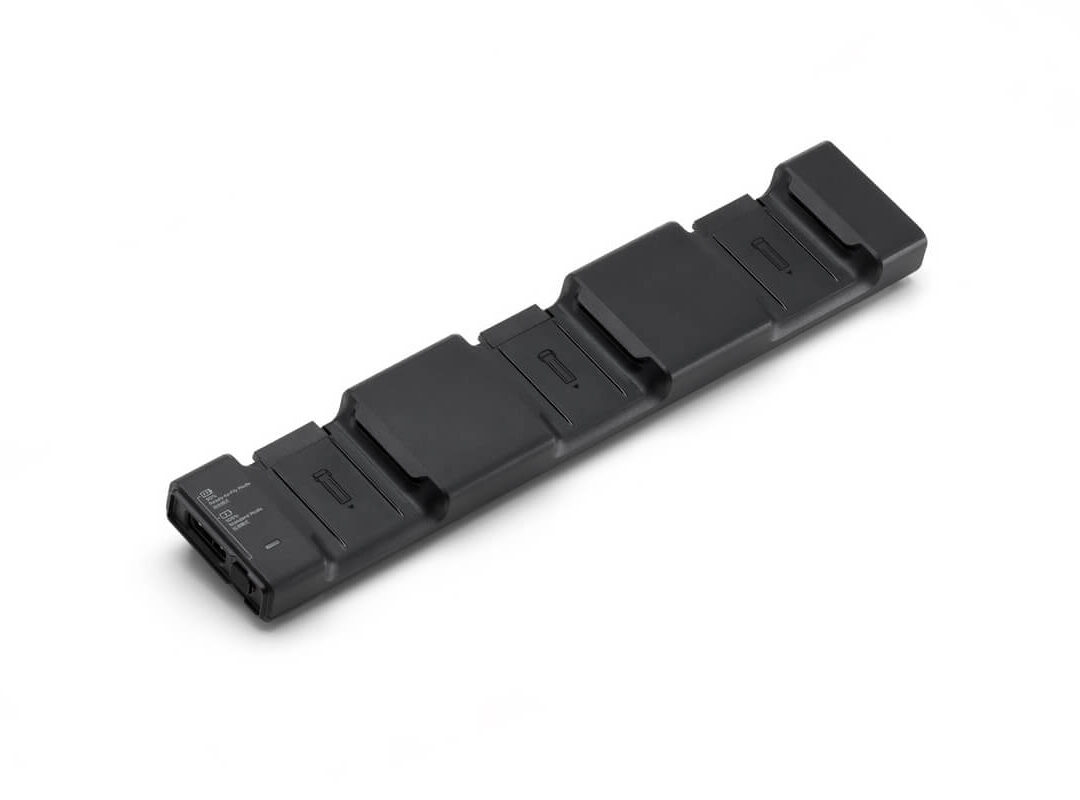
The DJI Dock 2 is a compact next-generation autonomous drone docking station designed for fully automated enterprise drone operations, remote missions, and continuous aerial data collection. Engineered for deployment with DJI Matrice 3D and Matrice 3TD aircraft, it enables automated takeoff, landing, charging, mission execution, and cloud-based fleet management through DJI FlightHub 2. Built for rapid deployment and minimal maintenance, it delivers reliable “drone-in-a-box” performance for surveying, inspection, security, and asset monitoring workflows with enhanced efficiency and reduced operational overhead.
The DJI Dock 2 is DJI’s advanced autonomous docking solution designed to simplify and scale enterprise drone operations through fully remote, automated workflows. As a second-generation “drone-in-a-box” system, it significantly reduces size, weight, and deployment complexity compared to earlier dock systems while improving operational efficiency and responsiveness in the field.
Built for continuous unmanned operation, DJI Dock 2 supports automated takeoff, landing, battery charging, mission execution, and data transmission without requiring on-site personnel. It is tightly integrated with DJI FlightHub 2, allowing operators to manage flight routes, monitor live video feeds, and control multiple missions remotely through a cloud-based interface. This makes it especially valuable for organizations that require persistent aerial coverage or repeatable inspection cycles.
The system is designed to work specifically with DJI’s Matrice 3D and Matrice 3TD aircraft, which provide complementary capabilities for high-precision mapping, inspection, surveillance, and security applications. Together, the dock and aircraft form a unified ecosystem optimized for infrastructure inspection, construction monitoring, asset management, emergency response, and perimeter security.
DJI Dock 2 is engineered for rapid deployment and operational flexibility, featuring a significantly reduced footprint compared to its predecessor and improved environmental resilience. It supports automated missions in varied conditions and is designed to streamline daily enterprise workflows by minimizing manual intervention and on-site logistics.